Moving to Sicily from the US: what Terrasini offers, and what to ask your tax advisor
For Americans thinking of retiring or working remotely by the sea: the Italian tax regimes that actually exist, how buying a new-build home works, and the part most guides leave out.
In short
- Terrasini has about 13,100 residents: it qualifies for Italy's 7% regime for foreign pensioners.
- As a US citizen you still file and may owe US tax: the 7% does not replace it.
- The homes we present are new builds you can explore in 3D before you fly over.

Read more
Why this guide
Many articles about retiring in Italy mention a 7% tax rate. For an American that is only half of the story, because the United States taxes its citizens wherever they live. This guide lists what actually exists, with official sources for the main points at the bottom of the page, so you know what to ask before you buy.
Why Terrasini
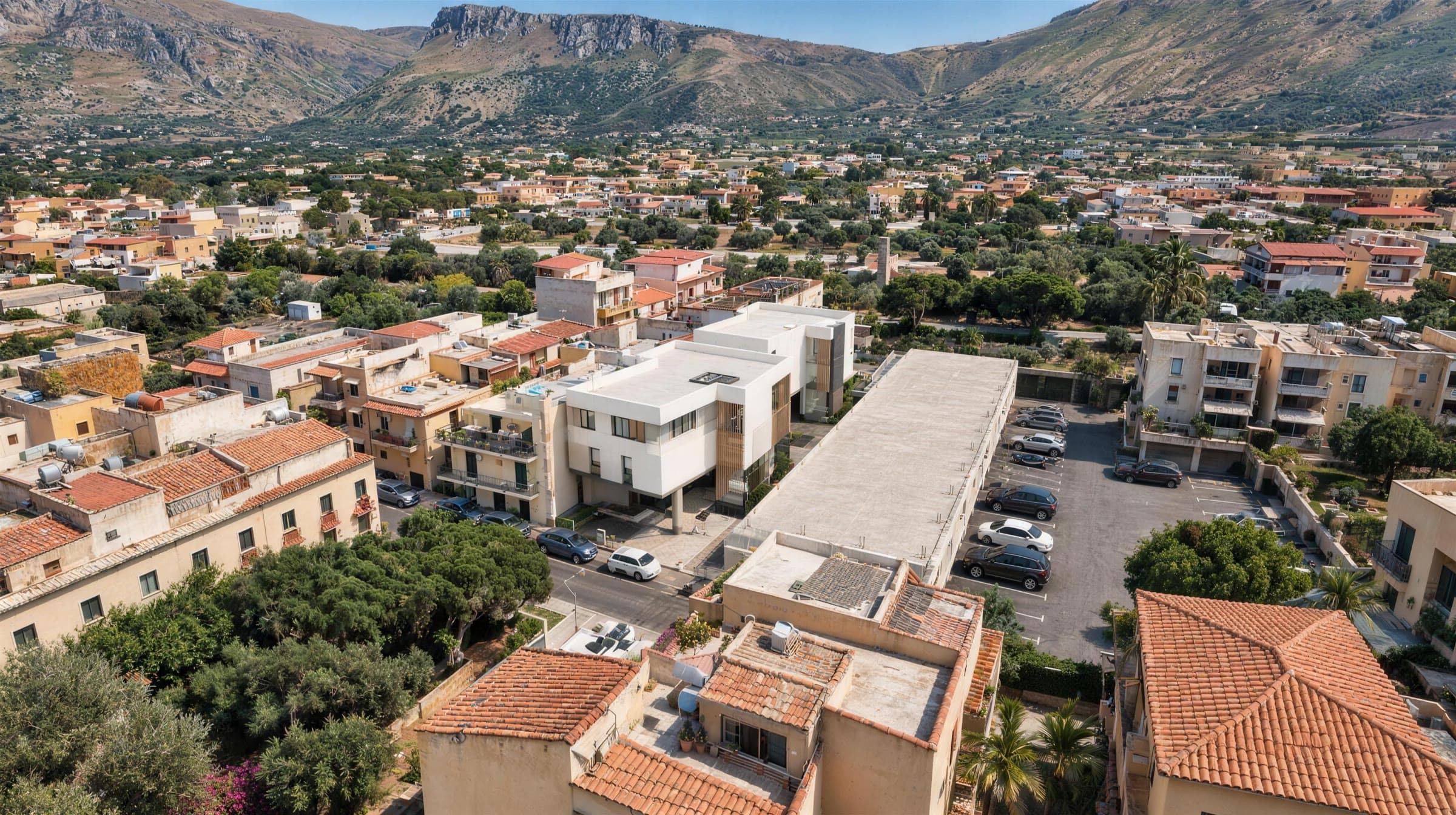
Terrasini is a seaside town on the Gulf of Castellammare, west of Palermo, with about 13,100 residents (ISTAT data, January 2026). Palermo's Falcone Borsellino airport is a short drive away. As of October 2026, United flies nonstop between Newark and Palermo on a seasonal schedule; routes change, so check united.com before planning.
The 7% regime for foreign pensioners
Italy offers a flat 7% tax on all foreign-source income, for nine years, to people who receive a pension paid from abroad, have not been tax-resident in Italy in the previous five years and move to a qualifying town in Southern Italy, Sicily included. Since 7 April 2026 qualifying towns can have up to 30,000 residents (before, the limit was 20,000): Terrasini qualifies. You choose the regime in your Italian tax return for the year you move, and it also exempts you from Italy's reporting and wealth taxes on foreign assets (RW, IVIE, IVAFE). Italian-source income, such as rent from a home in Terrasini, is taxed under ordinary Italian rules. Whether your Social Security, 401(k) or IRA count as eligible foreign pensions is something to confirm with an advisor.
What most guides leave out: US taxes
The United States taxes its citizens on their worldwide income wherever they live. The Foreign Earned Income Exclusion covers income from work, not pensions. Under the Italy-US tax treaty, private pensions and Social Security are taxed by your country of residence (government pensions follow different rules), but its saving clause lets the US keep taxing its own citizens. In practice you keep filing a US return and may use the Foreign Tax Credit for the tax you pay in Italy. US reporting of foreign accounts and assets (FBAR, FATCA/Form 8938) still applies. How an Italian 7% and your US return fit together depends on your situation: ask a CPA who works with both countries before you move.
Working remotely
If you move to Italy to work, the inbound workers regime (Legislative Decree 209/2023, art. 5, amended in 2025) exempts 50% of qualifying income up to €600,000 a year, or 60% with a minor child, for the year you move and the following four. You must stay resident at least four years, not have been resident in the previous three and be highly qualified. The Italian Revenue Agency said in a ruling (no. 2/2026) that it can apply to remote work for a foreign employer, as long as you work mainly from Italy. The US rules above still apply.
For high-net-worth individuals
Wealthy people who move to Italy, and have not been resident here for 9 of the last 10 years, can choose to pay a fixed €300,000 a year on their foreign income instead of ordinary tax. This is the amount for those who move from 1 January 2026. The US rules above still apply.
Buying a new-build home
When you buy a new home from the builder, VAT is 4% if it becomes your main home and 10% otherwise; 22% applies only to the luxury cadastral categories A/1, A/8 and A/9. Registration, mortgage and cadastral taxes are €200 each. To get the main-home rate you must move your residence to Terrasini within 18 months and say so in the deed. You also must not own another home in Terrasini or another first-home-rate property in Italy. If you don't move your residence in time, you lose the reduced rate and pay the difference plus penalties and interest. Your main home is exempt from IMU, the municipal property tax, unless it is in a luxury category; a second home pays it. You need an Italian tax ID number (codice fiscale), which you request from the Italian Revenue Agency, usually through the notary. The deed is signed before a notary, who also checks the requirements for foreign buyers.
Visas
To live in Italy without working, Americans usually apply for the Elective Residence Visa. It asks for stable passive income (the Boston consulate, for example, asks for more than €31,000 a year per person; amounts vary between consulates) and a place to live, which can be the home you buy. Remote workers can apply for the Digital Nomad visa, with its own income requirements. Rules change often: always check with your consulate.
See the home before you fly
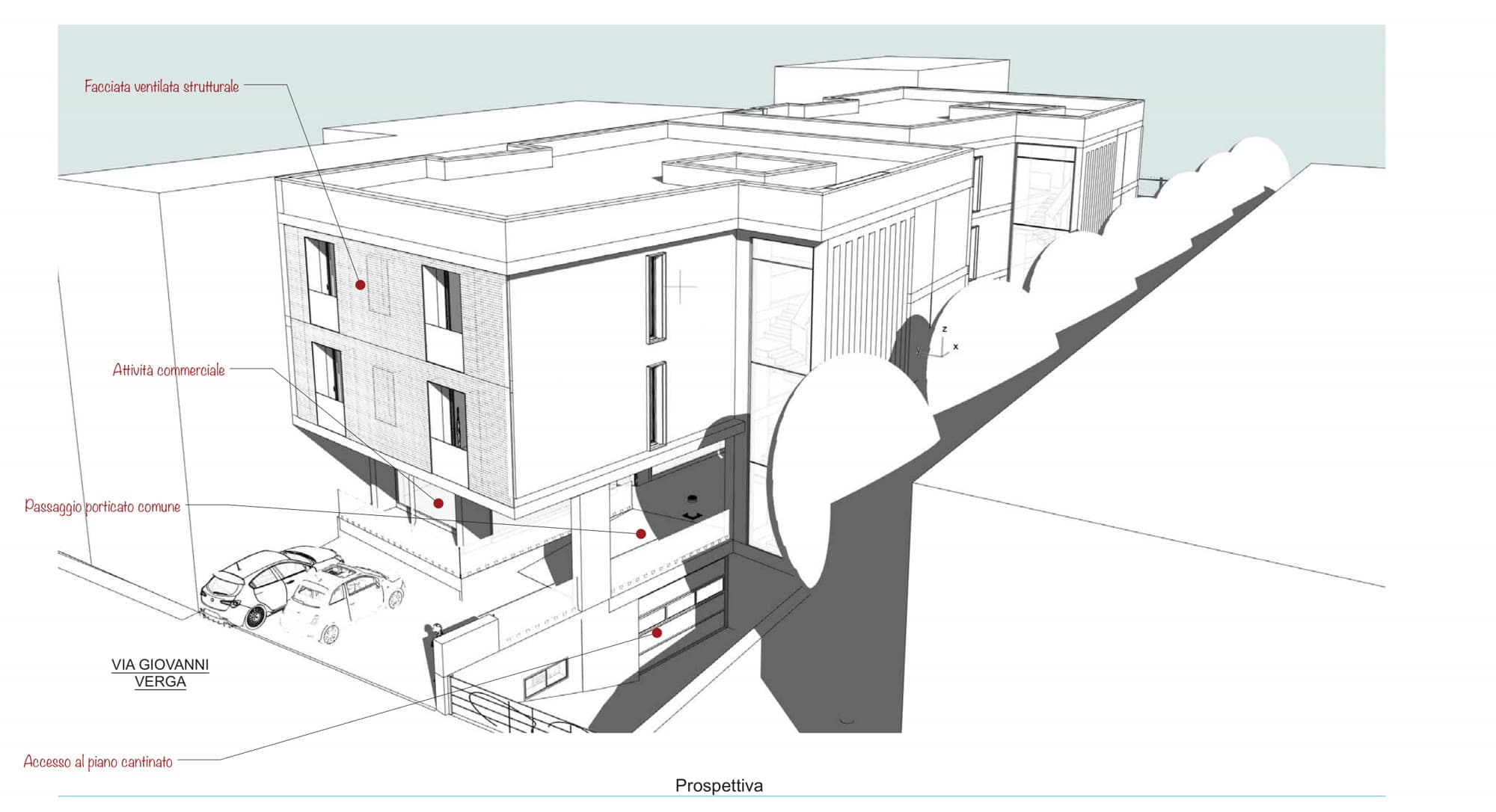
Our pages for the new builds in Terrasini let you explore the homes in 3D, take a 360° tour where available, see from above how close the beach and services are and, for the Villini Piano di Guardia, test a short-term rental budget. The pages are in Italian for now: write to us and we will walk you through them in English.
Important
This article is general information, updated on October 9, 2026. It is not tax, legal or immigration advice, and rules change. Nothing here is a promise of tax savings, residence or a visa. Trupiano Visual creates presentations of homes for sale: it is not a real estate agency or a tax advisor. Sales are handled by the builder or a licensed agency, the deed is signed before a notary, and your tax position should be checked by an advisor who knows both Italian and US tax.
The goal
What Italy actually offers Americans considering Terrasini, with no promises.
Who it is for
- US retirees: who want to live by the sea and need to know how the 7% regime meets their US taxes.
- Remote workers: who could move to Sicily and keep their job.
Many articles about retiring in Italy mention a 7% tax rate. For an American that is only half of the story, because the United States taxes its citizens wherever they live. This guide lists what actually exists, with official sources for the main points at the bottom of the page, so you know what to ask before you buy.
Why Terrasini
Terrasini is a seaside town on the Gulf of Castellammare, west of Palermo, with about 13,100 residents (ISTAT data, January 2026). Palermo's Falcone Borsellino airport is a short drive away. As of October 2026, United flies nonstop between Newark and Palermo on a seasonal schedule; routes change, so check united.com before planning.
The 7% regime for foreign pensioners
Italy offers a flat 7% tax on all foreign-source income, for nine years, to people who receive a pension paid from abroad, have not been tax-resident in Italy in the previous five years and move to a qualifying town in Southern Italy, Sicily included. Since 7 April 2026 qualifying towns can have up to 30,000 residents (before, the limit was 20,000): Terrasini qualifies. You choose the regime in your Italian tax return for the year you move, and it also exempts you from Italy's reporting and wealth taxes on foreign assets (RW, IVIE, IVAFE). Italian-source income, such as rent from a home in Terrasini, is taxed under ordinary Italian rules. Whether your Social Security, 401(k) or IRA count as eligible foreign pensions is something to confirm with an advisor.
What most guides leave out: US taxes
The United States taxes its citizens on their worldwide income wherever they live. The Foreign Earned Income Exclusion covers income from work, not pensions. Under the Italy-US tax treaty, private pensions and Social Security are taxed by your country of residence (government pensions follow different rules), but its saving clause lets the US keep taxing its own citizens. In practice you keep filing a US return and may use the Foreign Tax Credit for the tax you pay in Italy. US reporting of foreign accounts and assets (FBAR, FATCA/Form 8938) still applies. How an Italian 7% and your US return fit together depends on your situation: ask a CPA who works with both countries before you move.
Working remotely
If you move to Italy to work, the inbound workers regime (Legislative Decree 209/2023, art. 5, amended in 2025) exempts 50% of qualifying income up to €600,000 a year, or 60% with a minor child, for the year you move and the following four. You must stay resident at least four years, not have been resident in the previous three and be highly qualified. The Italian Revenue Agency said in a ruling (no. 2/2026) that it can apply to remote work for a foreign employer, as long as you work mainly from Italy. The US rules above still apply.
For high-net-worth individuals
Wealthy people who move to Italy, and have not been resident here for 9 of the last 10 years, can choose to pay a fixed €300,000 a year on their foreign income instead of ordinary tax. This is the amount for those who move from 1 January 2026. The US rules above still apply.
Buying a new-build home
When you buy a new home from the builder, VAT is 4% if it becomes your main home and 10% otherwise; 22% applies only to the luxury cadastral categories A/1, A/8 and A/9. Registration, mortgage and cadastral taxes are €200 each. To get the main-home rate you must move your residence to Terrasini within 18 months and say so in the deed. You also must not own another home in Terrasini or another first-home-rate property in Italy. If you don't move your residence in time, you lose the reduced rate and pay the difference plus penalties and interest. Your main home is exempt from IMU, the municipal property tax, unless it is in a luxury category; a second home pays it. You need an Italian tax ID number (codice fiscale), which you request from the Italian Revenue Agency, usually through the notary. The deed is signed before a notary, who also checks the requirements for foreign buyers.
Visas
To live in Italy without working, Americans usually apply for the Elective Residence Visa. It asks for stable passive income (the Boston consulate, for example, asks for more than €31,000 a year per person; amounts vary between consulates) and a place to live, which can be the home you buy. Remote workers can apply for the Digital Nomad visa, with its own income requirements. Rules change often: always check with your consulate.
See the home before you fly
Our pages for the new builds in Terrasini let you explore the homes in 3D, take a 360° tour where available, see from above how close the beach and services are and, for the Villini Piano di Guardia, test a short-term rental budget. The pages are in Italian for now: write to us and we will walk you through them in English.
Important
This article is general information, updated on October 9, 2026. It is not tax, legal or immigration advice, and rules change. Nothing here is a promise of tax savings, residence or a visa. Trupiano Visual creates presentations of homes for sale: it is not a real estate agency or a tax advisor. Sales are handled by the builder or a licensed agency, the deed is signed before a notary, and your tax position should be checked by an advisor who knows both Italian and US tax.
Official sources
- Agenzia delle Entrate: 7% regime for foreign pensioners
- Law 34/2026, art. 26 (towns up to 30,000 residents)
- IRS: U.S. citizens and resident aliens abroad
- IRS: Foreign Earned Income Exclusion
- IRS: Foreign Tax Credit
- Italy-US income tax treaty (US Treasury)
- Agenzia delle Entrate: ruling 2/2026 on remote work
- Agenzia delle Entrate: inbound workers regime
- Agenzia delle Entrate: flat tax for new residents
- Agenzia delle Entrate: buying a home, taxes and benefits
- Ministry of Economy and Finance: IMU on the main home
- Consulate of Italy in Miami: tax code for foreign citizens
- Consulate of Italy in Boston: Elective Residence Visa
- Consulate of Italy in New York: Digital Nomad visa
In short
The goal
What Italy actually offers Americans considering Terrasini, with no promises.
Who it is for
- US retireeswho want to live by the sea and need to know how the 7% regime meets their US taxes.
- Remote workerswho could move to Sicily and keep their job.
Talk to us in English
Tell us what you are looking for: we will walk you through the homes in English. Sales are handled by the builder or a licensed agency.
Message us on WhatsApp